
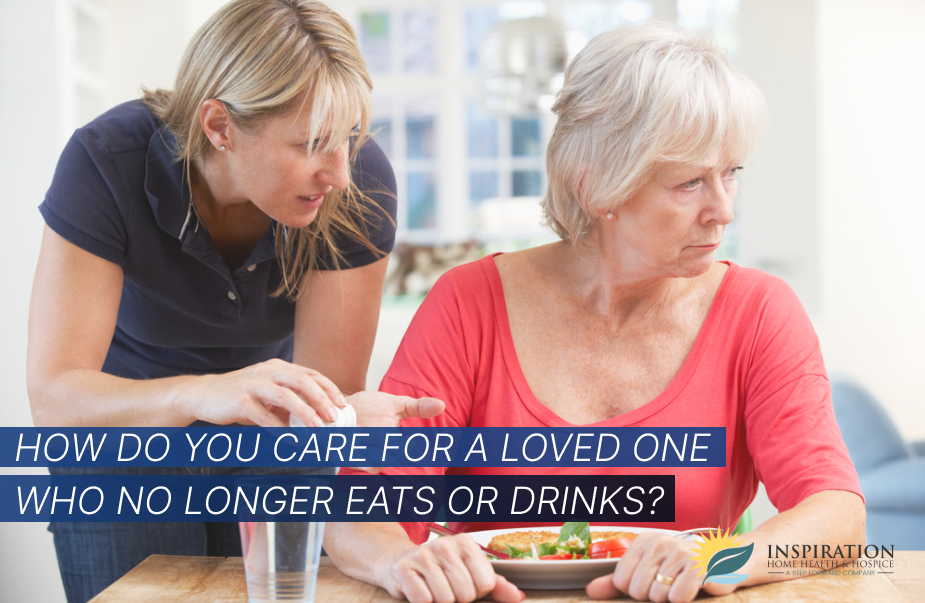
Watching a loved one reach the stage where they no longer want to eat or drink is one of the most gut-wrenching experiences a caregiver can face. Your instinct is to nourish them, to provide strength, and to “fix” the situation.
But here is the hard truth: At the end of life, the body begins a natural process of shutting down. Forcing food or fluids isn’t just unnecessaryit can actually cause more discomfort.
If you are in the trenches of this right now, here is how you provide elite-level care and comfort when nutrition is no longer the priority.
1. Shift Your Mindset: Comfort Over Calories
When the body prepares to transition, it no longer requires fuel. Digestion slows down or stops entirely. If you force a person to eat or drink at this stage, it can lead to bloating, nausea, or even aspiration (fluid entering the lungs).
Understand that dehydration at the end of life is natural. It can actually act as a sedative, releasing endorphins that help the patient drift into a more peaceful state.
2. Manage “The Dryness” (The Real Enemy)
While they may not be hungry or thirsty, the sensation of a dry mouth can be irritating. This is where you focus your efforts:
- Mouth Swabs: Use moistened foam swabs or a damp cloth to gently clean and hydrate the mouth every 30 to 60 minutes.
- Lip Balm: Apply heavy-duty lip balm or petroleum jelly to prevent painful cracking.
- Small Sips: If they are still conscious and able to swallow, offer tiny sips of water or ice chips, but only if they ask or show interest.
3. Use the Power of Touch
When you can’t show love through a home-cooked meal, show it through physical presence.
- Massage: Gently rub their hands or feet with unscented lotion.
- Cool Compresses: A cool, damp cloth on the forehead can regulate temperature and provide immense relief.
- Environment: Keep the room peaceful. Soft lighting, familiar music, or simply sitting and holding their hand provides more “nourishment” than a meal ever could.
4. Get Professional Reinforcement
You should not be navigating this emotional minefield alone. This is exactly why specialized care exists. Teams like those at Inspiration Hospice are experts in managing these specific symptoms. They provide the medical supplies and the emotional guidance to ensure your loved one is pain-free and dignified, allowing you to focus on being a family member rather than a medical technician.
The Bottom Line: Your loved one isn’t “starving.” They are transitioning. By letting go of the need to feed, you are giving them the gift of a comfortable, natural, and peaceful journey.