
Listen, I’m going to level with you. Most people talk about the end-of-life journey like it’s a calm, linear walk into the sunset.
It’s not. It’s a battlefield.
It is a chaotic, swirling vortex of emotions that can leave even the strongest person feeling paralyzed. If you’re feeling like you’re losing your mind, you aren’t. You’re just human.
To survive this, you need to know exactly what’s coming so you can stop fighting the waves and start riding them. Here is the emotional blueprint of what to expect.
1. The “Anticipatory” Grief (The Storm Before the Storm)
Grief doesn’t wait for a heartbeat to stop. It starts the moment you realize the outcome is inevitable. You’ll find yourself mourning “future” memories—birthdays that won’t happen, milestones that will be missed.
- The Symptom: Sudden bursts of crying over small things, like seeing their empty shoes.
- The Reality: This isn’t weakness; it’s your heart doing the “pre-work” for the loss.
2. The Guilt Trap
This is the most dangerous emotion in the deck. You’ll feel guilty for not doing enough, guilty for being tired, and—most brutally—guilty for wishing it would “just be over” so the suffering ends.
- The Reality: These thoughts are a result of compassion fatigue. You aren’t wishing for death; you are wishing for peace. Don’t let the guilt win.
3. The “Last Rally” Rollercoaster
Sometimes, a patient will have a sudden surge of energy. They’ll sit up, talk, eat, and act like their old selves. Families often think, “It’s a miracle! They’re getting better!”
- The Emotional Crash: When they slip back into a decline a few hours later, the emotional drop is devastating.
- The Strategy: Treat the “rally” as a gift—a final chance to say what needs to be said—but don’t let it trick you into false hope.
4. Profound Spiritual Questioning
Even for the non-religious, the end of life brings up the big “Why?” You might feel anger at a higher power, or a desperate need to find meaning in the suffering.
- The Solution: This is why Inspiration Hospice places such high value on spiritual counselors. You shouldn’t have to wrestle with the “meaning of life” while you’re also trying to manage a morphine schedule.
How to Hold the Line
You cannot pour from an empty cup. To care for them, you must care for you.
- Accept Help: When someone asks “What can I do?”, don’t say “Nothing.” Say “Bring dinner” or “Sit here for an hour so I can nap.”
- Lower Your Expectations: You don’t have to be a “perfect” caregiver. You just have to be present.
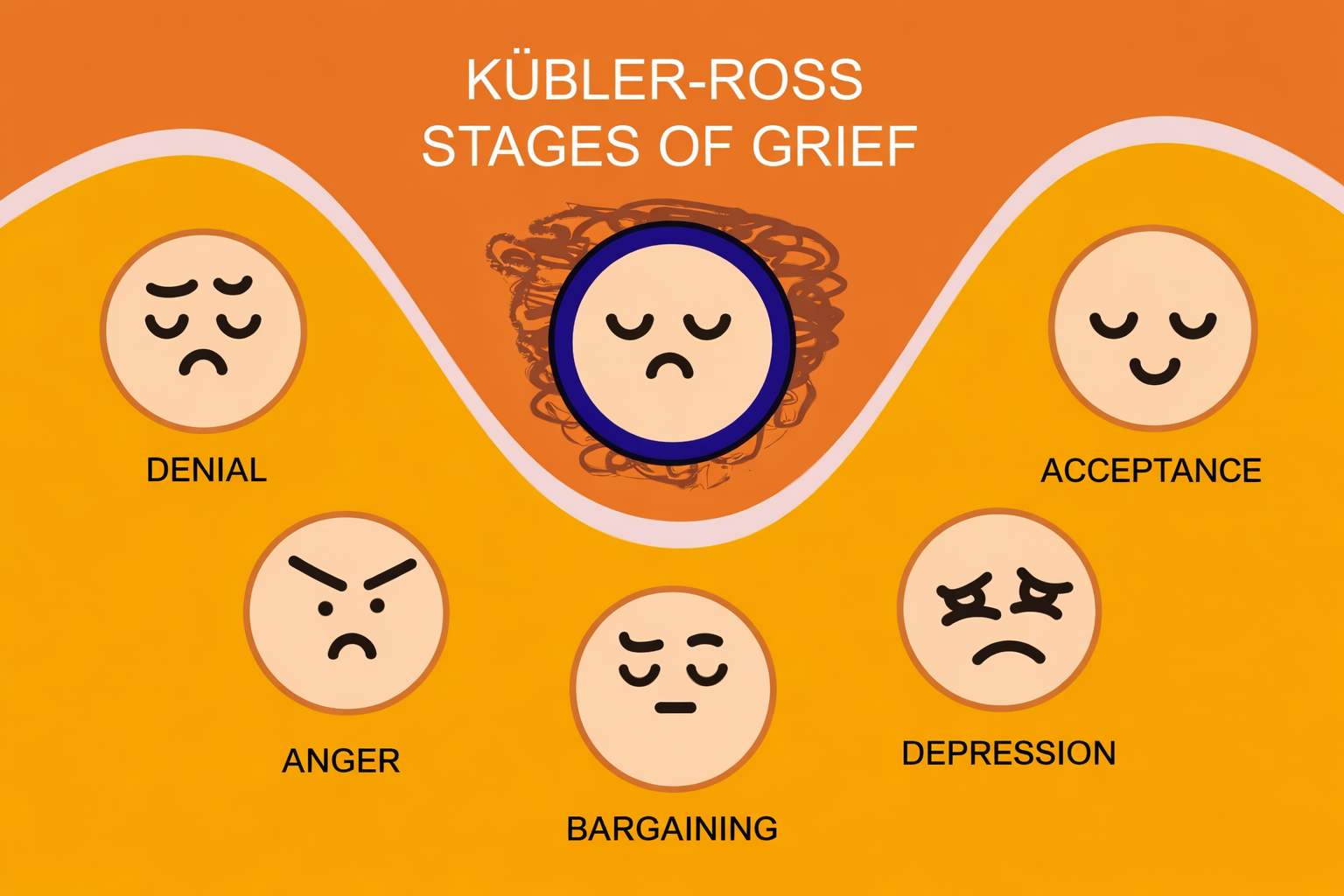
The Bottom Line: The end-of-life journey is a series of “little deaths” before the final one. It’s messy, it’s loud, and it’s exhausting. But by understanding these emotional milestones, you take the power back from the fear.