
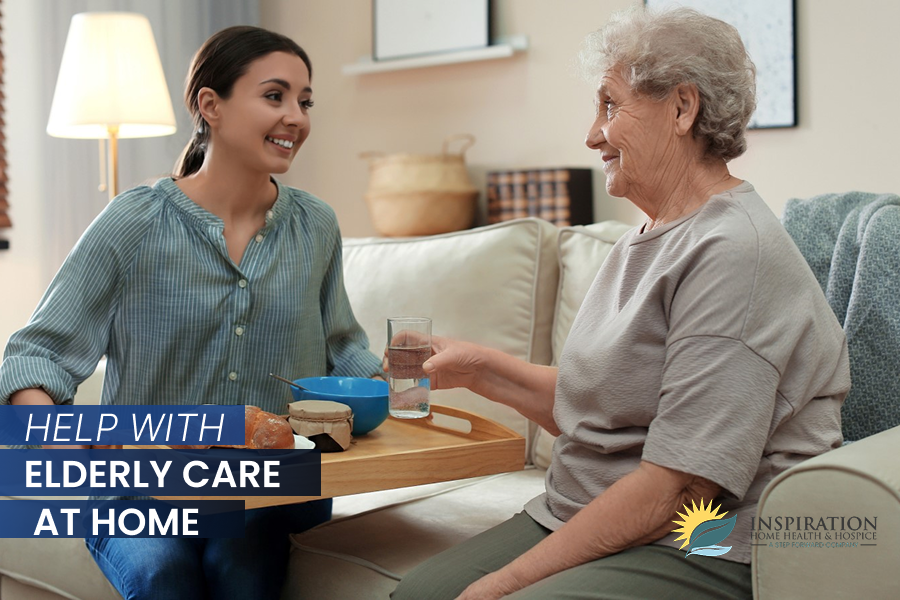
Taking care of an aging loved one at home is one of the most noble, deeply rewarding things you can dobut let’s be completely honest: it is also incredibly exhausting, overwhelming, and stressful if you try to wing it.
Most families fall into the trap of trying to do everything themselves. They run themselves into the ground, burn out, and end up in a midnight crisis because they didn’t have a strategy.
If you want to keep your loved one safe, dignified, and comfortable at home without destroying your own physical and mental health, you need a clinical, step-by-step game plan. Here is how you take control of the situation right now.
The Home Care Action Plan
1. Lock Down the Physical Environment (Safety First)
Before you worry about schedules or medications, you must eliminate the hidden hazards in the house. Falls are the number one trigger for a rapid decline in elderly health.
- Clear the Runways: Strip away throw rugs, loose extension cords, and clutter.
- Light It Up: Install high-visibility LED nightlights in the hallways and the exact path from their bed to the bathroom.
- The Bathroom Overhaul: This is the most dangerous room in the house. Install secure grab bars in the shower and next to the toilet. Put down non-slip mats.
2. Streamline the Medical Command Center
Do not rely on memory or sloppy scraps of paper to manage their health. You need a foolproof system.
- The Master Medication Log: Use a pill organizer (or look into pre-packaged blister packs from the pharmacy) and keep a digital or printed list of every medication, dosage, and timing.
- The Red Binder: Keep all doctor names, insurance cards, medical history, and legal documents (like a Power of Attorney or Advance Directive) in one single, physical binder by the front door. If an emergency happens, you grab the binder and go.
3. Build Your Care Team (Stop Flying Solo)
You cannot be the 24/7 nurse, maid, cook, and emotional anchor all by yourself. It is mathematically impossible. Look into these three layers of support:
- Personal Care Aides (Non-Medical): They help with the daily grindbathing, dressing, meal prep, and light housekeeping.
- Home Health Care (Medical): This is ordered by a doctor and covered by insurance/Medicare. It brings skilled nurses, physical therapists, and occupational therapists directly to your living room to help treat conditions or recover from injury.
- Hospice / Palliative Care: If your loved one is managing a serious, advanced, or terminal illness, do not wait until the absolute end to call them. Specialist care teams can step in to manage pain, provide symptom relief, and handle the heavy clinical lifting so you can just be a son, daughter, or partner again.
The Caregiver’s Golden Rule: Self-care is not selfish; it is logistical necessity. If you crash and burn from caregiver burnout, you are useless to the person relying on you. Look into respite care optionswhich provide short-term temporary reliefto give yourself a break to recharge.
To help you get the exact help you need right now, could you tell me a little more about their specific needsare you dealing with physical mobility challenges, cognitive/memory issues, or managing a serious medical diagnosis?