
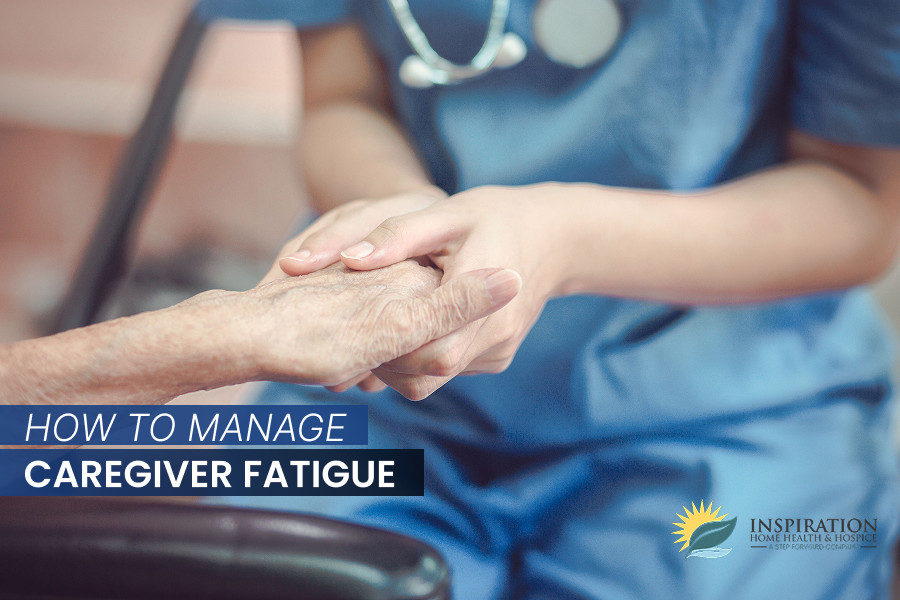
Caregiver fatigueor burnoutis not a sign of weakness. It is a biological certainty if you try to carry 100% of the emotional, physical, and clinical weight of another human being on your shoulders without a break.
When you reach this point, you aren’t just tired, you feel trapped, resentful, and utterly drained. The most dangerous thing you can do is try to “tough it out.” If you crash, the whole system collapses. Managing this requires shifting your mindset from martyrdom to sustainability.
Here is your tactical battle plan to reclaim your energy and protect your mental health.
The Caregiver Burnout Defusal Strategy
1. Build a Tactical Respite Plan (Enforce “Off-Duty” Time)
You cannot be on call 24/7. Your brain needs periods of absolute detachment where you are not responsible for anyone else’s survival.
- The Micro-Break: Secure at least 30 uninterrupted minutes a day where you leave the house or lock yourself in a room. No checking on them, no medical paperwork.
- Formal Respite Care: Look into local adult day care programs where your loved one can spend a few hours in a safe, social environment, or hire an in-home care aide for one or two shifts a week. Treat this cost as an essential medical expense, because protecting your sanity is essential.
2. Radical Delegation (Stop Saying “I’ve Got It”)
When friends or family ask, “How can I help?” the worst answer you can give is, “We’re doing okay.” People genuinely want to help, but they don’t know how. Give them highly specific, non-emotional tasks:
- Can you pick up this prescription from the pharmacy on Tuesday?
- Could you drop off a batch of frozen meals we can heat up next week?
- Can you sit with Mom for exactly two hours on Thursday morning so I can go to the dentist?
3. Lower Your Standards on Non-Essentials
You are running a mini-hospital at home, you cannot also keep a Michelin-star kitchen and a showroom-clean house.
- Automate and Outsource: Use grocery delivery apps, look into meal delivery services, and let the laundry pile up a bit.
- Good Enough is Perfect: If your loved one is safe, clean, fed, and medicated, you have won the day. Lower the bar on everything else.
4. Create an Emotional Outlet
Bottling up resentment, anger, or deep sadness turns those emotions into physical fatigue. You need a place to unload without judgment.
- Join a Caregiver Support Group: Whether local or online, talking to people who are in the exact same trenches is life-changing. They understand the dark thoughts and frustrations that people outside the caregiving world will never comprehend.
- Professional Counseling: A therapist isn’t a luxury; they are a strategic partner to help you process ambiguous grief (grieving someone who is still physically here but mentally changing).
🛑 The Warning Signs of Severe Burnout
If you are experiencing these symptoms, you have crossed from “tired” into the danger zone. You must pull the emergency brake and call in backup:
- Physical ailments: Chronic headaches, catching every cold that goes around, or back pain from exhaustion.
- Sleep disruption: Feeling utterly exhausted but unable to sleep because your mind is racing with anxiety.
- Emotional volatility: Snapping at your loved one, crying unexpectedly, or feeling a sense of total hopelessness.
The Oxygen Mask Principle: There is a reason flight attendants tell you to put your own mask on first. If you run out of oxygen, you can’t save anyone else. Self-care isn’t selfish; it’s basic logistics.
Want to look into specific resources or financial aid for respite care in your area?
Visit Inspirationhospice.com