
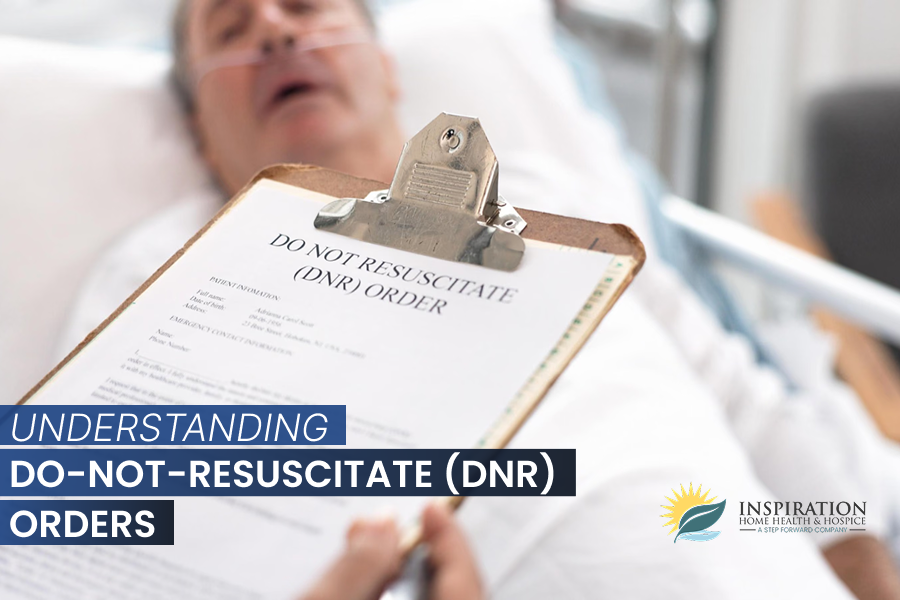
Let’s stop beating around the bush.
Few medical acronyms carry as much fear, misunderstanding, and emotional weight as DNR (Do-Not-Resuscitate).
When families hear those three letters, their minds instantly jump to a terrifying misinterpretation: If we sign a DNR, the doctors are giving up on my parent and letting them die without care.
That is completely false.
At Inspiration Hospice, our non-negotiable rule is: Patients and Families First. No Exceptions.
A DNR is not a statement that says do not care. It is a precise, legally binding medical order that says, Do not inflict unnecessary physical trauma when my natural end arrives. It ensures that a patient’s final moments are marked by quiet dignity, peace, and comfortnot violent medical interventions in a sterile hospital room.
Here is the straightforward breakdown of what a DNR order actually means, what it doesn’t mean, and why it is a critical tool in hospice care.
What CPR Actually Involves in Advanced Illness
To understand why a DNR is so important, you have to look at the reality of Cardiopulmonary Resuscitation (CPR).
On television shows, CPR looks clean and miraculous. In real lifeespecially for an elderly patient or someone weakened by an advanced, terminal illnessCPR is a violent, invasive procedure. It requires:
- Forceful, repeated chest compressions that frequently fracture ribs and puncture lungs.
- Electric shocks to the chest from a defibrillator.
- Inserting a breathing tube down the throat (intubation) to connect the patient to a ventilator.
- Pumping high-dose emergency drugs directly into the bloodstream.
For a healthy individual, CPR can be life-saving. But for a person in the final stages of a terminal condition, CPR has an exceptionally low success rate. Even on the rare chance it restarts the heart, it often leaves the patient with broken bones, internal bleeding, brain damage, and a painful stay in an ICU hooked to life support.
What a DNR Order DOES Mean
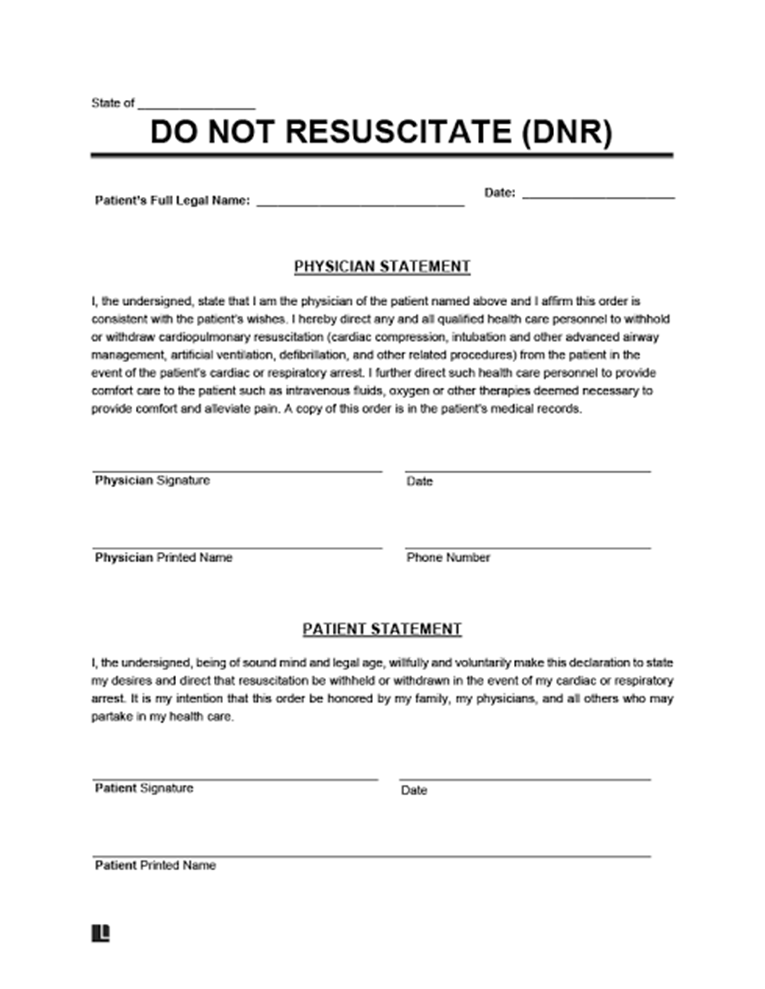
A Do-Not-Resuscitate (DNR) order is an explicit instruction signed by a physician and agreed upon by the patient or their legal healthcare proxystating one clear thing:
If the patient’s heart stops beating or they stop breathing naturally, medical personnel will not attempt CPR, electric shocks, or mechanical ventilation.
It allows the body to go through its natural, peaceful transition without traumatic medical interference.
What a DNR Order DOES NOT Mean
Mythbusting this concept is crucial for families. Having a DNR order in place NEVER means stopping medical care.
| A DNR Order DOES NOT Mean: | What Happens Instead: |
|---|---|
| “No more treatment or medicine.” | Full, aggressive management of pain, shortness of breath, anxiety, and nausea continues 24/7. |
| “No more doctor or nurse visits.” | Your hospice team continues visiting regularly to provide bathing, hygiene, nursing, and emotional care. |
| “Do not treat infections or comfort needs.” | Medications, antibiotics if desired for comfort, oxygen, and wound care are fully maintained. |
| “Giving up hope.” | The goal of care simply shifts from chasing an impossible biological cure to guaranteeing absolute comfort and quality of life. |
DNR vs. POLST vs. Living Will
Understanding where a DNR fits into your overall care plan ensures your protection is seamless:
- Living Will: Expresses your general wishes about lifeprolonging treatments in writing.
- Healthcare Proxy: Names the specific person authorized to make medical decisions if you cannot.
- DNR Order: A specific medical order signed by a doctor instructs clinical staff not to perform CPR.
- Out-of-Hospital DNR / POLST: An actionable order designed specifically for paramedics and emergency responders so they do not initiate unwanted resuscitation if called to your home.
Let Inspiration Hospice Guide Your Family with Compassion
Deciding on a DNR order is a deeply personal, emotional choice. You shouldn’t have to make it under the pressure of an emergency room panic.
When you partner with Inspiration Hospice, our clinical team and Medical Social Workers take the time to sit down with your family, answer every question without judgment, and ensure that your loved one’s comfort, values, and legal rights are fully protected at home.
The Medicare Hospice Benefit covers 100% of all nursing care, medical equipment, supplies, and medications related to the hospice diagnosiswith zero out-of-pocket costs for your family.
The Bottom Line: A DNR order doesn’t take away hopeit protects your loved one from unwanted pain and ensures their final chapter is peaceful and dignified.
Take action today. Contact Inspiration Hospice for a free, no-obligation consultation, and let us help you navigate your care choices with clarity and confidence.